
Anoka, Minnesota
Water Damage Restoration in Anoka, MN
Find the right next step for a flooded basement, burst pipe, sewage backup, or wet walls in Anoka. This independent information and referral site explains cleanup options and helps you prepare a request. When intake is enabled, requests go to the site operator; a provider must confirm the work, availability, and timing.
Independent information & referral site. A request is not a booking.
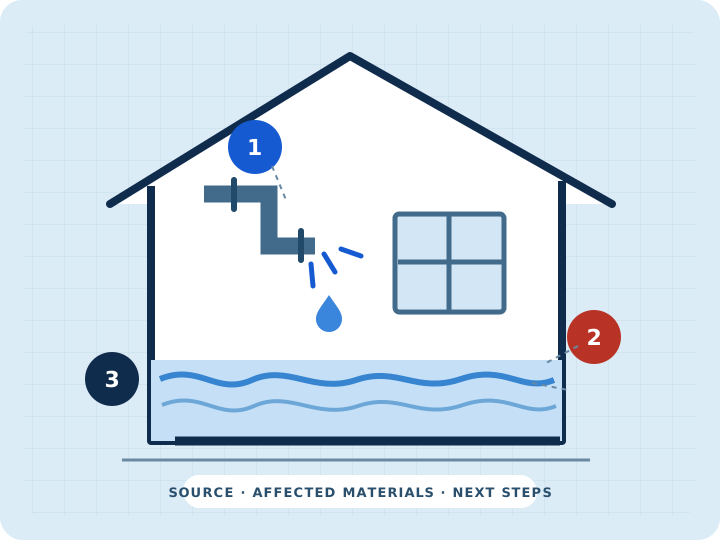
Start with the problem
What needs attention at your property?
You do not need to know the trade terms. Choose the closest problem, then see what to document and what to ask a provider.
Restoration scope
Understand water damage restoration in Anoka: inspection, extraction, drying, repair boundaries, and the questions to ask before work begins.
See the next stepsEmergency water removal
Know the next step when water is spreading in Anoka. Review safety priorities, removal scope, drying needs, and information to give a provider.
See the next stepsWater extraction
Understand water extraction for Anoka properties, including wet flooring, hidden layers, scope questions, and the next drying decision.
See the next stepsStructural drying
Learn what a structural-drying plan should include: material checks, progress records, equipment decisions, and the handoff to repairs in Anoka.
See the next stepsFlooded basement cleanup
Compare flooded-basement cleanup needs in Anoka, from safe access and water removal to hidden wall spaces, belongings, and the repair handoff.
See the next stepsSump pump failure
Understand cleanup after a sump overflow in Anoka, including pump-repair boundaries, wet basement materials, quote details, and prevention questions.
See the next stepsA clear next step
Useful information before the first conversation
A cleanup request is easier to assess when the source, affected rooms, and access concerns are clear. Use these pages to understand the work and explain what you have seen from a safe place.
This website is an independent publisher and referral resource. It does not itself inspect buildings, dispatch technicians, or confirm appointments. Any provider must confirm the services offered, the written scope, and the price directly with you.
How the request process works- 01
Describe the problem
Note where water appeared, when you noticed it, and whether it is still spreading. Do not enter an unsafe room to gather details.
- 02
Confirm the right help
Source repair, water cleanup, electrical work, and rebuilding can involve different providers. Ask who is responsible for each part.
- 03
Agree on the work
Review the proposed scope, access arrangements, documentation, payment terms, and timing before booking.
A practical starting point
Build a useful description of the water problem
This guide helps you choose a page and prepare questions. It does not determine whether a building is safe or diagnose the source.
Choose a problem to see a preparation note. If safety is uncertain, stay clear and arrange qualified help.
Browse the service directoryKeep these details together
- Property city and type: home, rental, shared building, or business.
- Affected spaces and materials, based only on what you can observe safely.
- Whether water is still entering and whether anyone has addressed the source.
- Photos taken safely, with a rough timeline and records of earlier repairs.
- Any access limits, tenants to coordinate with, or contamination concerns.
Save claim numbers, detailed financial information, and sensitive documents for a secure conversation with the relevant provider or insurer.
Understand the work
Water removal and drying solve different parts of the problem
Start with safety and the source
Standing water can conceal electrical and contamination hazards. Keep clear if electrical safety is uncertain. Do not cross water to reach a breaker or operate wet electrical equipment. A qualified professional should decide how affected equipment can be used safely.
When every household drain backs up, Anoka's utility guidance gives a municipal reporting path. A single fixture blockage, a private plumbing leak, and a public sewer problem can require different calls. Use the city instructions linked from the sewage cleanup page.
Look beyond the visible puddle
Removing liquid water is followed by checking affected building materials. A provider may need to evaluate wall cavities, floor layers, insulation, and contents. Ask how moisture will be checked and how the end of drying will be documented.
Water with possible sewage or existing mold needs a different approach from a clean spill. Do not start fans before the water has been assessed as sanitary. A normal room-humidity reading alone does not prove that hidden materials are dry.
Understand structural dryingAnoka and nearby communities
Start with the property's actual location
Local utility instructions can depend on the city and the water or sewer provider. A mailing address alone may not identify who maintains the relevant line. Our location pages help you find the right local information.
A location listed here is not a promise that a contractor is available. Coverage and timing must be confirmed for the specific request.
View local information and availability questionsBefore you agree to work
Compare the scope, not just the total
The amount of water is only one part of a restoration estimate. A useful written proposal separates work that prevents further damage from repairs that rebuild finishes.
What is affected?
Ask which rooms and material layers are included, how possible contamination changes the work, and what the estimate cannot yet determine.
What is included?
Clarify source repair, extraction, material removal, equipment, monitoring, disposal, cleaning, and reconstruction. These may be separate items.
What is documented?
Ask for photos, moisture records, itemized work, and written approval of changes. Contact your insurer early about its documentation requirements.
Useful answers
Questions before the next step
Can this website send someone to the property?
This is an independent information and referral website. When intake is enabled, a request goes to the site operator; a service provider must confirm availability, scope, and timing. Submitting a request does not dispatch a technician or book an appointment.
Is a dry-looking floor enough to end the cleanup?
No. Water can remain in floor layers, wall cavities, insulation, and framing. Ask the provider what measurements support the drying decision and what work remains before finishes are replaced.
What should I do if water may contain sewage?
Keep people and pets away and seek a qualified cleanup assessment. Do not use fans before the water is determined to be sanitary. For an Anoka sewer backup, use the city reporting instructions linked from our sewage cleanup page.
Will insurance cover the work?
Coverage depends on the policy and cause of the loss. Contact your insurer early, keep safe photos and receipts, and ask what it needs before materials are discarded. This site does not decide coverage or adjust claims.
Prepare your next step
Make the next step clearer
Prepare the details of the problem and choose your reply method. A provider must confirm availability, scope, and timing before any work is booked.
Online requests are currently unavailable. Arrange urgent help directly with a qualified provider or the appropriate utility. Do not wait for a form reply if there is an immediate safety concern.
How this site worksOnline requests are temporarily unavailable. Please arrange urgent help directly with a qualified local provider or the appropriate utility.
Sources & further reading
- US EPA — A Brief Guide to Mold, Moisture and Your Home
- CDC — What to Do to Protect Yourself From Electrical Hazards
- US EPA — Water Damage — Cleanup and Mold Prevention, Table 1
- City of Anoka — Sanitary Sewer Information
- City of Anoka / Anoka Municipal Utility — If your Sewer Backs Up
- Minnesota Department of Commerce — Tips for Residential Property Owners and Renters on Filing an Insurance Claim
These sources provide general guidance. They do not assess this property or confirm provider availability.
Published by Anoka Water Damage Restoration. Content reviewed October 18, 2026. Editorial standards